
Walk with an observation sheet
Start outside: access, drainage direction, visible cracks, roofline, noise, neighboring conditions, and areas a listing photo cannot show. Record what you saw and where, without naming a cause.
Check daily-use rooms
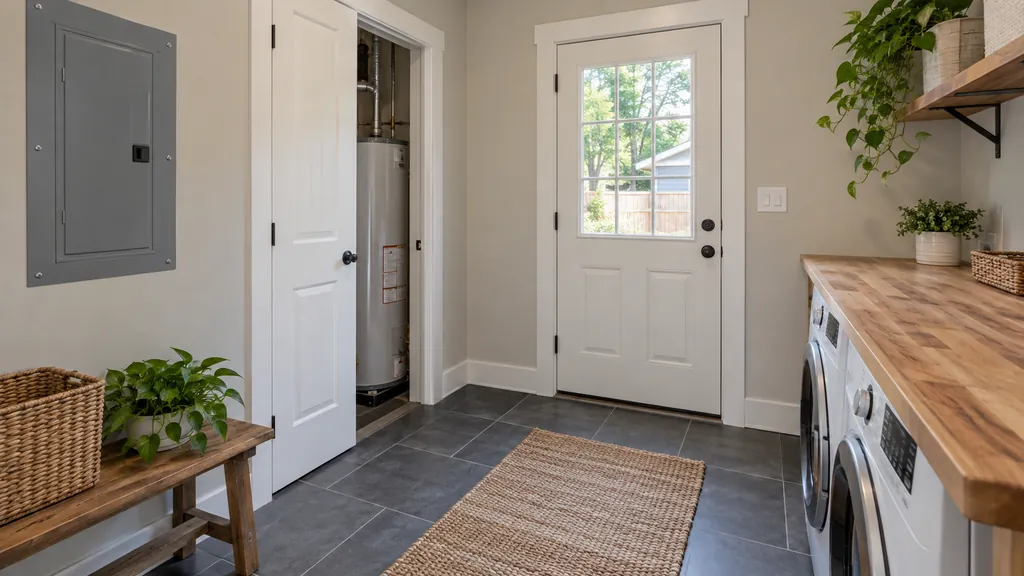
Inside, note doors, closets, transitions, electrical panel and mechanical access, conveying items, and the rooms that matter to routine. A showing cannot establish system condition.
Convert a concern into a request
Link each concern to disclosure, inspection, permit record, provider, or next visit. Put the contract deadline beside it before it becomes an offer decision.
Keep a dated evidence trail
CFPB treats offer and closing as separate stages; preserve showing notes with date and listing version so a later decision can be traced.
Use local records as follow-up routes, not showing conclusions
For a Nashville-Davidson County candidate, use the assessor record for address and parcel facts, FEMA’s flood-map starting point for flood information, and Metro’s permit-history route for prior permit records. Keep each result dated with the observation it addresses. None replaces disclosure, inspection, title, survey, insurance, or condition review.
Sources & further reading
- CFPB Buying a house checked 2026-09-27
Your next chapter
Let’s make it
a good move.
Bring your questions. Start a conversation with Gary’s team.