
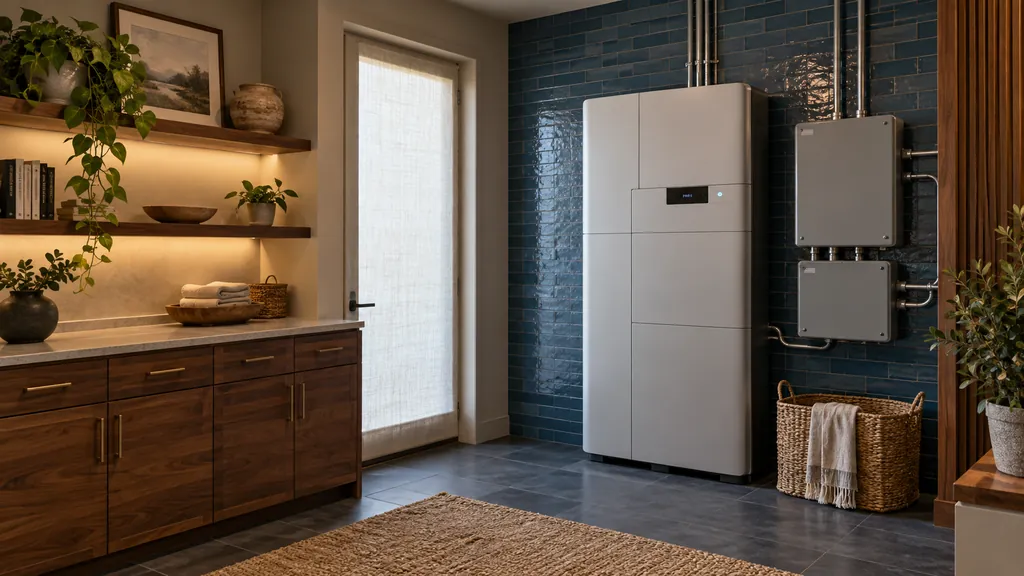
Who owns each energy feature?
Identify each energy feature by ownership and contract: solar panels, battery, lease, loan, inverter, smart equipment, insulation, HVAC, or efficiency upgrade. Ask for installation records, warranties, production history, utility bills, and transfer terms.
DOE advises buyers to identify ownership and contractual agreements; third-party-owned solar can require transfer steps. Historical bills are not a promise of future use or cost.
Which contracts and records control transfer?
A lower bill can reflect occupancy, weather, or behavior as well as equipment. Compare periods and ask the provider or contractor which obligations transfer, remain, or require approval.
How should performance be compared?
Do not assume panels are owned free and clear because they are attached to the roof. The financing and roof interface matter.
What should your decision file include?
Request installation records, warranties, production history, utility bills, and transfer terms for panels, battery, lease, loan, inverter, HVAC, insulation, and smart equipment.
Sources & further reading
- Department of Energy consumer guide to buying a house with solar panels checked 2026-09-26
Your next chapter
Let’s make it
a good move.
Bring your questions. Start a conversation with Gary’s team.