
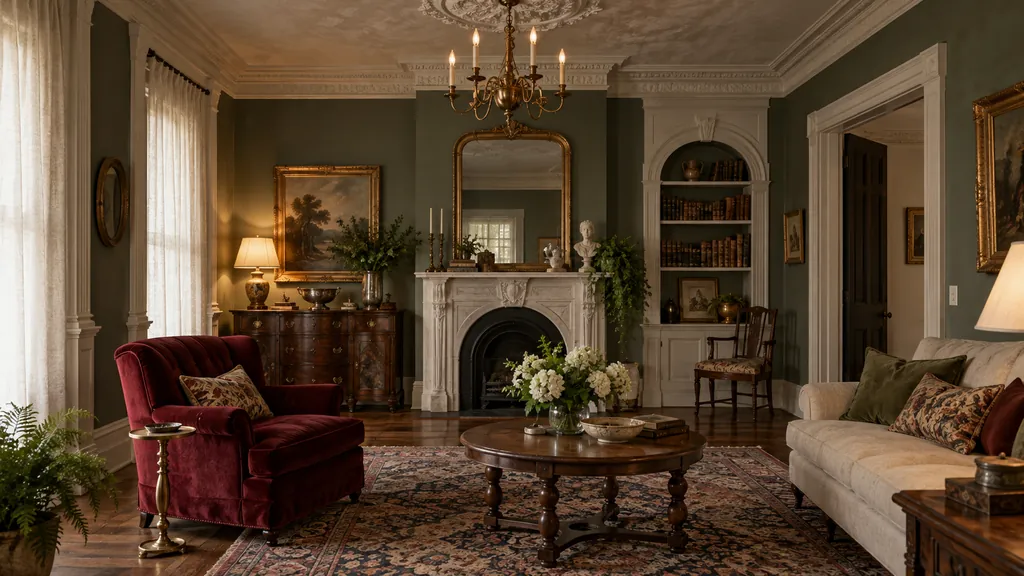
An older home and a regulated exterior project are separate questions
Start with the parcel, not the architectural description in the listing. Metro says the Historic Zoning Commission reviews applications for work on properties within a Historic Overlay. The home’s age alone does not identify an overlay or tell you which proposed changes need review.
Match the proposal to the correct district guidelines
Metro’s guideline directory is organized by overlay type and district. Confirm the applicable designation and use that district’s material when discussing the actual project with Historic Zoning staff. A guideline for a different overlay can lead to the wrong assumptions about a window replacement, addition or demolition.
Price the restoration plan in two parts
Keep condition work and permission-dependent changes in separate columns. This is a planning worksheet, not a determination that any specific repair requires approval.
| Planned work | Evidence to gather | Before relying on a cost estimate |
|---|---|---|
| Repair a deteriorated existing feature | Inspection findings, materials and contractor scope | Clarify the condition problem and ask whether the proposed treatment needs review |
| Change an exterior feature or add space | Parcel designation, applicable guidelines and a sketch of the intended work | Confirm the review path before assuming the desired design is available |
| Update major systems | System age, inspection findings and prior permits | Obtain the relevant specialist’s scope and ask about permit requirements |
Buy the home you can reasonably maintain
Preserved details can coexist with deferred maintenance. Collect records for roofs, foundations, systems and prior alterations, then ask qualified inspectors about the actual construction. A designation is not a condition report, and a listing’s restoration claim is not a substitute for the supporting records.
Sources & further reading
Your next chapter
Let’s make it
a good move.
Bring your questions. Start a conversation with Gary’s team.